15 Astonishing Facts About Shipping Container Depot
Understanding Shipping Container Depots: The Backbone of Modern Logistics
As international trade continues to broaden, the significance of efficient shipping and logistics has actually grown significantly. Amongst the myriad components that comprise this intricate network, shipping container depots play an important function. These facilities are essential for the storage, repair work, and management of shipping containers, serving as centers that streamline the circulation of items throughout international borders. This article delves into what shipping container depots are, their functions, advantages, and obstacles, while offering a detailed introduction of their significance in the supply chain.
What is a Shipping Container Depot?
A shipping container depot is a center created to handle the consumption, storage, maintenance, and dispatch of shipping containers. Stimulating images of large outside areas filled with colorful containers, depots are important in helping with the effective movement of items and supporting the worldwide maritime logistics industry.
Functions of Shipping Container Depots
Function
Description
Storage
Provides a safe and secure location for unused shipping containers waiting for implementation.
Repairs and Maintenance
Deals services to repair damaged containers, guaranteeing they satisfy safety and compliance standards.
Container Management
Manages the inventory and motion of containers, including tracking and upkeep schedules.
Transportation Services
Collaborates the transport of containers to and from shipping ports and other transport centers.
Customs and Inspection Services
Collaborates with custom-mades authorities to facilitate the inspection and clearance of containers.
Importance of Shipping Container Depots
Shipping container depots not only make it possible for economical logistics but also boost functional performance and safety within the supply chain. Let's explore their significance further:
Enhanced Efficiency: By centralizing container management, depots decrease the time needed for transportation and dispatch, causing faster turnaround times.
Resource Optimization: Depot services can cause better implementation of shipping containers as well as the effective usage of space and resources.
Safety and Compliance: With committed repair facilities, depots ensure that containers are compliant with safety regulations before they are delivered.
Cost Savings: Effective management at depots can lead to lower transportation and storage expenses, providing substantial cost savings for shipping business.
Local Economic Impact: Depots frequently develop jobs and contribute to regional economies by attracting companies and shipping activity.
Secret Considerations for Shipping Container Depots
When managing a shipping container depot, several factors require to be thought about to make sure smooth operations:
1. Place
The distance to major shipping ports, highways, and railroads is crucial. A well-situated depot minimizes transportation time for inbound and outbound containers.
2. Capacity and Type of Storage
Depots need to evaluate the variety of containers they can accommodate, including basic intermodal containers and specialized containers for particular cargo.
3. Innovation Utilization
Implementing innovative stock tracking systems (like RFID and GPS) streamlines the procedure of container management, enhances security, and lowers human mistake.
4. Compliance and Safety Standards
Adhering to regional and global safety requirements ensures that containers are properly maintained and minimizes the risk of mishaps.
5. Workforce Training
Purchasing employee training is essential for guaranteeing that personnel are experienced about container management, safety treatments, and repair processes.
Shipping Container Depot Challenges
While the value of shipping container depots can not be overemphasized, they do deal with numerous obstacles:
Container Shortages: Fluctuations in global shipping needs can cause container lacks, straining depot operations.
Maintenance Costs: Upkeep of containers can end up being a significant cost, especially for older or harmed units.
Regulative Compliance: Navigating the intricacies of both local and international regulations can be daunting and requires continuous caution.
Environmental Impact: Managing waste and guaranteeing environment-friendly operations is becoming increasingly necessary for depots in a world concentrated on sustainability.
FAQs about Shipping Container Depots
Q1: How do shipping container depots differ from shipping ports?A: Shipping container depots concentrate on the storage, repair work, and management of shipping containers, while shipping ports are where vessels dock to load and dump cargo. Q2: What kinds of containers are generally foundin a depot?A: Common containers consist of standard intermodal containers, refrigerated containers (reefer ), tank containers, and flat racks. Q3: Who operates shipping container depots?A: Depots can be operated by
shipping lines, third-party logistics suppliers, or independent depot business concentrating on container management. Q4: Can I acquire a shipping container from a depot?A: Many depots offer used containers, which can be repurposed for numerous applications, including storage, housing, or transport requirements. Q5: What essential metrics are used to determine the performance of a shipping container depot?A: Performance can be determined through metrics like container turnaround time, storage density, maintenance expenses, and operational efficiency rates. Shipping container depots are a linchpin worldwide of
maritime logistics. Their multifaceted functions— from storage and management to fix and compliance— ensure that the vast network of international trade operates smoothly. As trends in e-commerce and global trade evolve, the role of shipping container depots will just continue to grow, forming the future of logistics. Enhancing Conex Containers , attending to difficulties, and adapting to market changes will be necessary for keeping effectiveness in the supply chain and fulfilling the demands of a global economy. Understanding shipping container depots will empower stakeholders across markets to make educated decisions while contributing to a more effective and durable logistics framework. 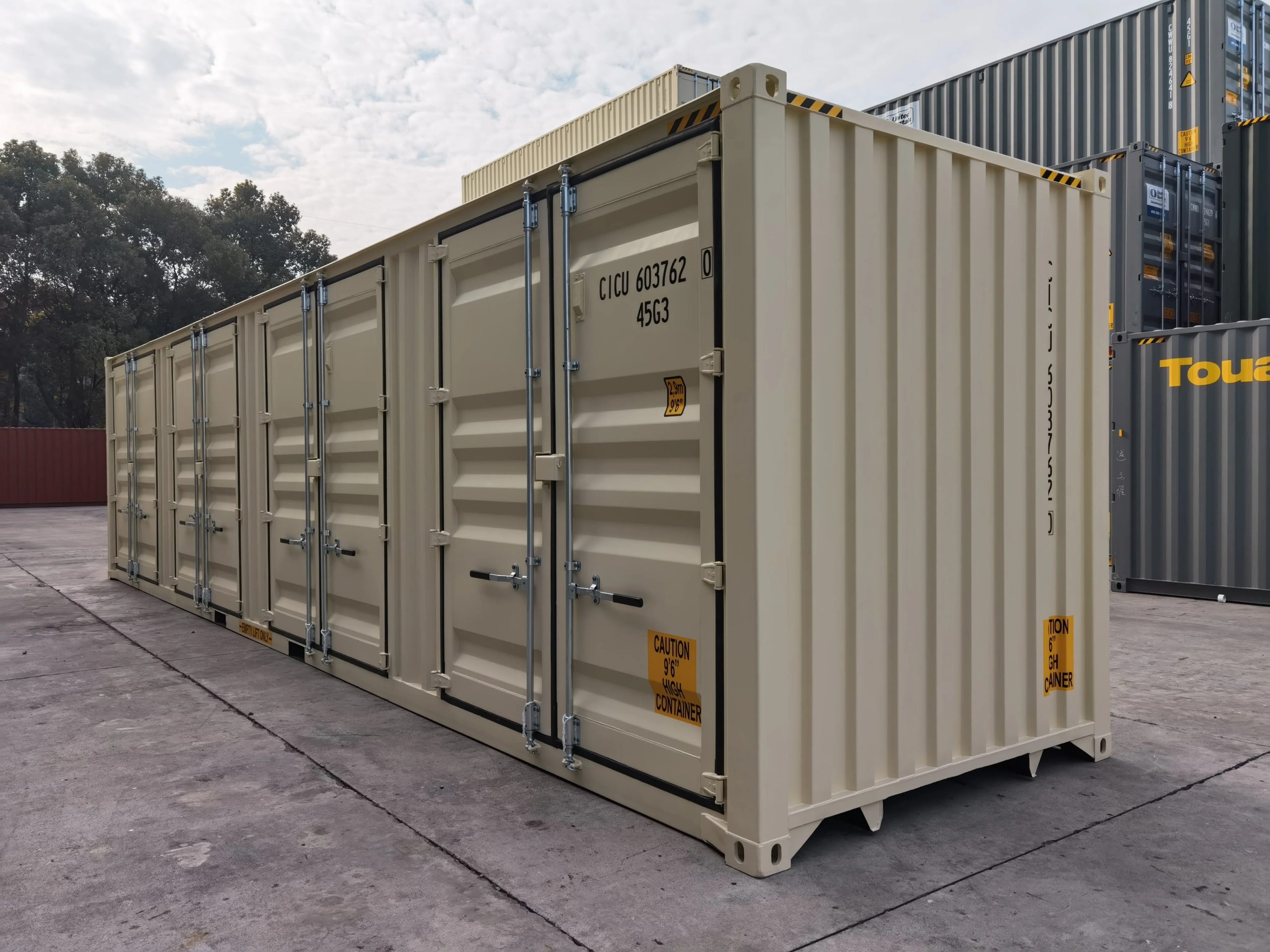 ****
****